Your Cart (0)

Improving Grip and Handling on Carrera Slot Tracks
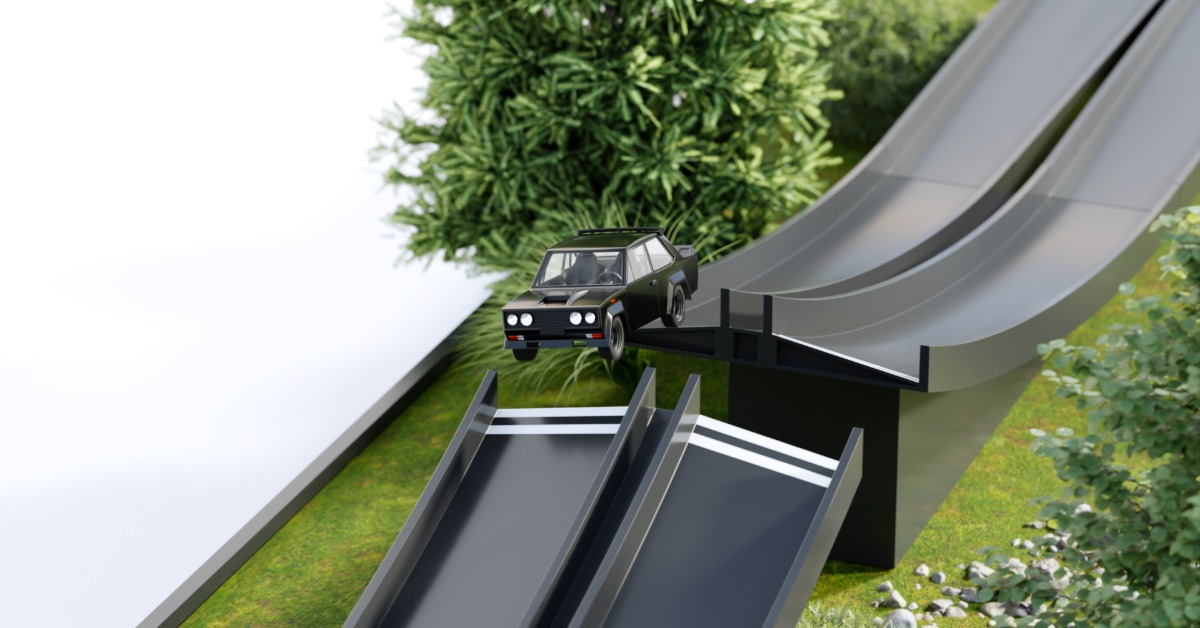
Improve grip and handling on Carrera slot tracks with tire care, track maintenance, and setup tips that deliver smoother cornering and faster lap times.
by Theodore Hust • August 14, 2026
Few moments in slot car racing feel more satisfying than watching a car maintain speed through every corner without sliding or losing control. Grip and handling play a major role in that performance. While speed attracts attention, consistent traction helps drivers post faster lap times and enjoy smoother racing sessions.
Carrera slot cars already offer impressive engineering, but several factors influence how well they perform on the track. Tire condition, track cleanliness, car setup, and driving technique all contribute to overall handling. Learning how grip and handling work together can transform an average racing session into one filled with precise cornering and reliable performance.
Why Grip Matters More Than Top Speed
Many hobbyists focus on increasing straight-line speed. However, the fastest car does not always produce the quickest lap.
A car with excellent grip enters corners confidently, exits smoothly, and maintains momentum throughout the entire circuit. Every slide forces the driver to recover speed, which adds precious time to each lap.
Improving traction allows drivers to push harder while maintaining control. Better handling also creates closer, more competitive racing among multiple cars.
Start With a Clean Carrera Track
Track cleanliness affects traction more than many people realize.
Dust, lint, and small debris build up on the racing surface over time. Even tiny particles reduce tire contact with the rails and plastic track. Regular cleaning helps every Carrera car perform consistently.
Use a soft microfiber cloth to wipe the track after each racing session. For stubborn dirt, apply a small amount of plastic-safe cleaner to the cloth rather than directly onto the track.
Avoid harsh household chemicals because they may damage the track surface.
Keeping electrical contacts clean also improves consistent power delivery, which contributes to smoother acceleration through corners.
Clean Tires Deliver Better Performance
Dirty tires cannot produce maximum grip. Rubber naturally collects dust, carpet fibers, and oils from repeated racing. As debris builds up, traction decreases and cars begin sliding unexpectedly.
Cleaning tires takes only a few moments but produces noticeable improvements.
Lightly roll each tire across masking tape or use a lint-free cloth dampened with water to remove dirt. Some hobbyists use specialty tire cleaning products designed specifically for slot cars.
Inspect the tires before every racing session to maintain predictable handling.
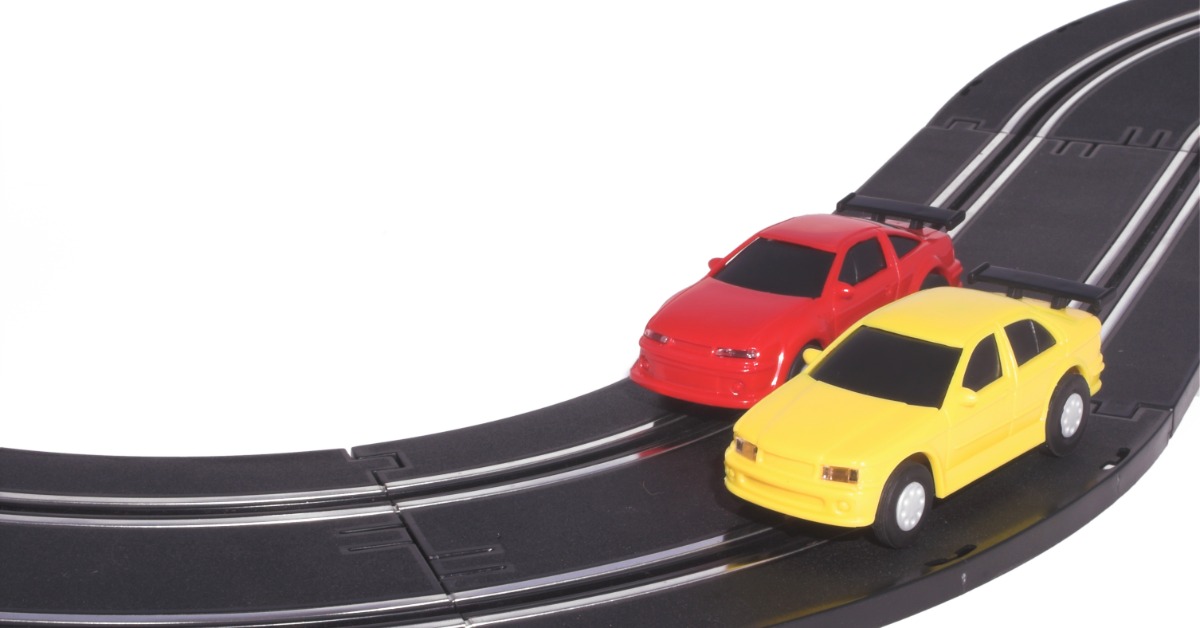
Replace Worn Tires Before Performance Drops
Rubber tires gradually lose their effectiveness through regular use.
Even if they still appear intact, older tires become harder over time. Hard rubber cannot conform to the racing surface as effectively, reducing available traction.
Watch for these common signs of tire wear:
- Flattened tread surfaces
- Cracks or dry rubber
- Reduced cornering grip
- Frequent sliding despite clean track conditions
- Uneven tire wear
Fresh tires often restore handling immediately without requiring additional adjustments.
Check Tire Alignment on Every Car
Proper tire alignment helps maintain consistent contact with the track.
A wheel that wobbles or sits unevenly creates instability during turns. Even slight imperfections can make a fast car difficult to control.
Spin each wheel by hand before racing. The tire should rotate smoothly without noticeable side-to-side movement.
If necessary, reseat the tire or inspect the wheel for damage. Replacing a bent wheel often restores predictable handling.
Balance Weight for Better Cornering
Weight distribution influences how a slot car behaves entering and exiting turns.
A properly balanced car keeps both guide and rear tires firmly planted on the track. Poor weight distribution may cause excessive sliding or deslotting during aggressive cornering.
Many experienced racers experiment with small weight adjustments until the car feels balanced throughout the layout. Adding too much weight slows acceleration, while too little weight may reduce traction.
Finding the right balance creates smoother handling across straights, curves, and elevation changes.
Understand Magnet Effects on Grip
Many Carrera slot cars include traction magnets beneath the chassis. These magnets increase downward force by attracting the steel rails inside the track. The additional force improves cornering grip and reduces the likelihood of leaving the slot.
Some racers prefer stronger magnetic assistance because it creates faster, more forgiving racing.
Others reduce or remove magnets entirely to create a driving experience that rewards throttle control and precise steering.
Neither approach works best for everyone. Testing different magnet strengths helps determine which style matches your preferences.
Improve Handling With Smooth Driving
Even perfectly prepared cars lose grip when driven aggressively. Abrupt throttle inputs upset the car's balance and increase the chance of sliding through corners.
Smooth acceleration and gentle braking allow the tires to maintain maximum contact with the racing surface.
Experienced drivers often focus on maintaining momentum instead of accelerating at every opportunity.
Learning each corner's ideal entry speed usually improves lap times more than increasing top speed.
Optimize Your Track Layout
Track design influences handling as much as vehicle setup.
A layout with multiple technical corners rewards precise driving and balanced cars. Long sweeping curves encourage maintaining momentum instead of relying on sudden acceleration.
Mixing straights with gradual and tighter curves creates varied driving challenges while helping racers develop better throttle control.
If your layout includes banking, elevation changes, or crossover sections, inspect each connection carefully to ensure every piece locks together securely.
Smooth transitions prevent unwanted bouncing that may reduce traction.
Inspect the Guide and Braids Regularly
The guide pin keeps the car centered within the slot while the braids transfer electrical power.
Bent guides or worn braids reduce stability and create inconsistent handling. Inspect both components before extended racing sessions.
Replace damaged braids when they become frayed or compressed. A clean guide also moves more freely through curves, allowing the car to track naturally around every corner.
Match Tires to Your Racing Style
Not every tire performs identically. Some compounds prioritize durability while others maximize grip. Choosing the right tire depends on how you race.
Competitive racers often prefer softer compounds because they provide excellent traction during shorter racing sessions.
Casual hobbyists may appreciate longer-lasting tires that require less frequent replacement.
Testing different options helps identify the combination that produces the handling characteristics you enjoy most.
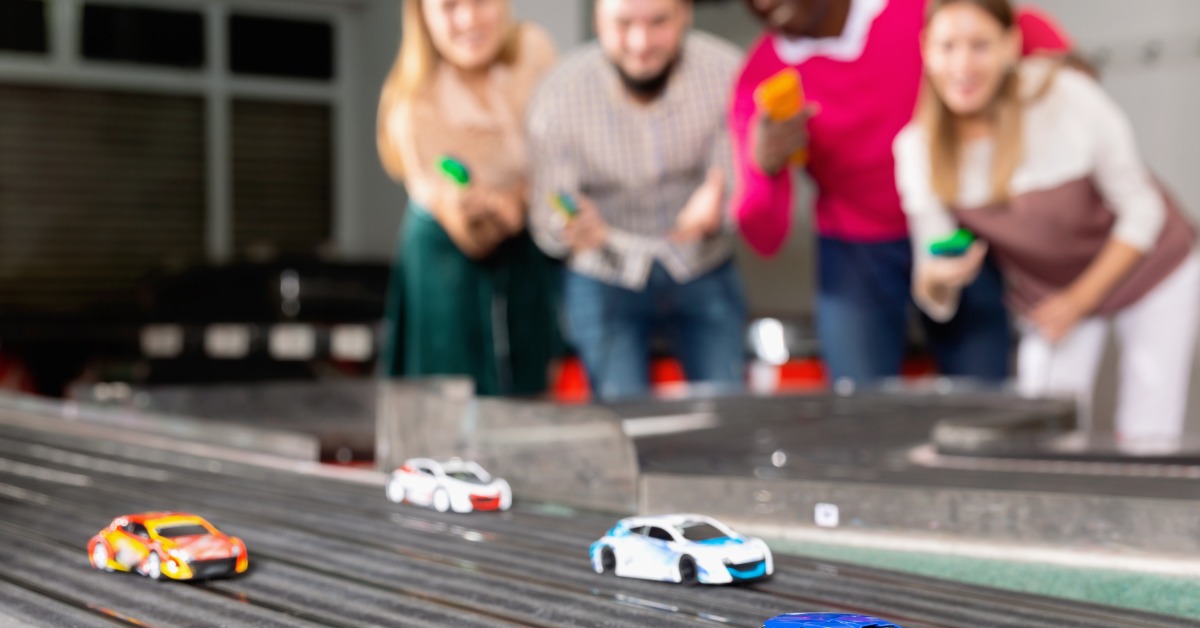
Maintain Consistent Room Conditions
Environmental conditions influence tire performance more than many racers expect. Dusty rooms increase contamination on both tires and track surfaces. Large temperature swings also affect rubber flexibility.
Keeping the racing area relatively clean helps preserve traction throughout longer sessions. Storing Carrera cars in a cool, dry location also protects tire condition between races. Consistent storage habits often extend the lifespan of both tires and electrical components.
Fine-Tune Performance for Different Carrera Scales
Carrera produces several popular racing scales, including 1:43, 1:32, and 1/24th scale slot cars. Each scale responds slightly differently to setup adjustments because of differences in weight, size, and overall handling characteristics.
Larger cars generally generate greater momentum entering corners, making tire condition and weight balance especially important. Smaller cars often feel more agile but still benefit from clean track surfaces and properly maintained tires.
Regardless of scale, the same maintenance principles help maximize grip and create predictable handling throughout every lap.
Make Maintenance Part of Every Racing Session
The best-performing Carrera cars rarely achieve their results through expensive upgrades alone.
Routine maintenance consistently produces noticeable improvements.
Before each session, inspect the tires, clean the track, check the guide, and verify that the wheels rotate smoothly. These simple habits take only a few minutes but help prevent many common performance problems.
Regular maintenance also reduces unnecessary wear on valuable cars and track components.
Build Confidence Through Consistency
Grip and handling for Carrera cars improve through attention to detail rather than dramatic modifications.
Clean tires, well-maintained track sections, balanced weight distribution, and smooth driving all contribute to better lap times. Each improvement builds upon the others, creating a more enjoyable racing experience for beginners and experienced hobbyists alike.