Your Cart (0)

Why Upgrade From Analog to Digital Slot Cars
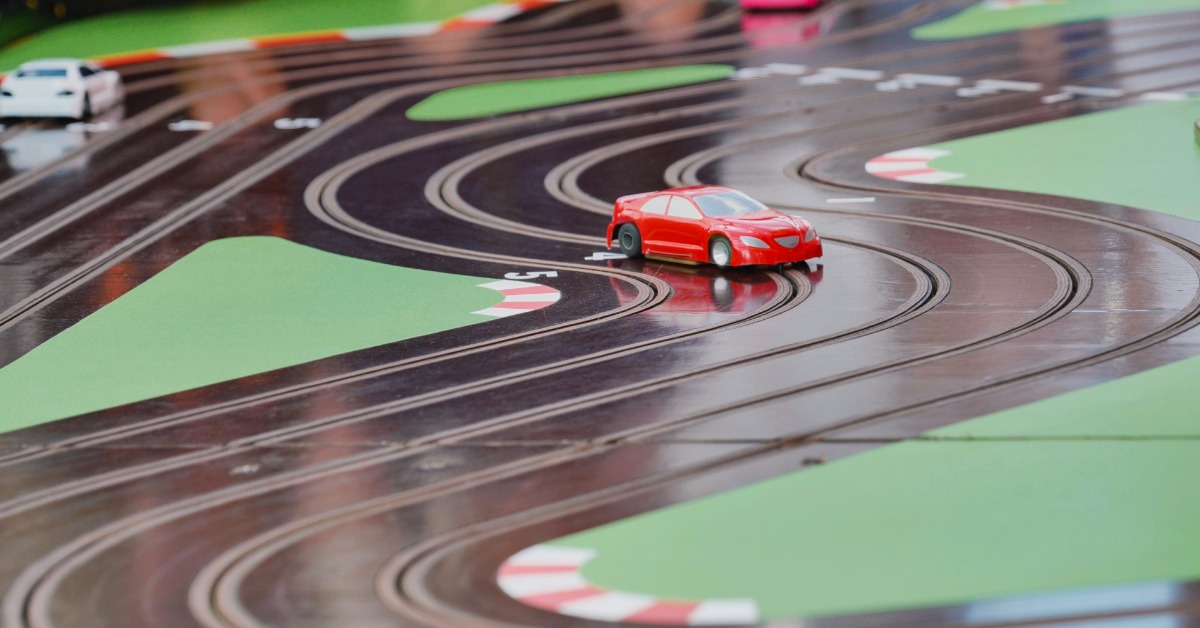
Learn why upgrading from analog to digital slot cars adds lane changing, passing opportunities, strategy, and more excitement to Carrera racing.
by Theodore Hust • September 09, 2026
Analog slot car racing has a lot going for it. The controls feel straightforward, the racing stays easy to understand, and an analog Carrera setup can provide plenty of entertainment for drivers who enjoy traditional head-to-head competition. For many hobbyists, however, there comes a point when they want more control, more strategy, and more ways to expand the racing experience.
That is where digital slot car racing enters the picture. Digital technology adds features that change how drivers interact with the track and compete against one another. Instead of simply controlling the speed of a car in a fixed lane, racers can make decisions throughout a race that create a more involved experience.
If you already enjoy analog racing, moving to digital does not mean leaving the appeal of slot cars behind. It means adding another layer to the hobby.
What Is the Main Difference Between Analog and Digital Slot Cars?
The basic difference comes down to how the cars and track communicate. With a traditional analog setup, each controller regulates power to a particular lane. A car stays in that lane unless it leaves the track or the driver manually places it somewhere else.
A digital Carrera system adds electronic controls that identify individual cars. This technology allows drivers to control their own cars even when multiple cars use the same lane.
That distinction changes what can happen during a race. Drivers gain access to features such as lane changing, which adds new decisions that simply do not exist in a traditional two-lane analog race.
How Does Digital Racing Create More Passing Opportunities?
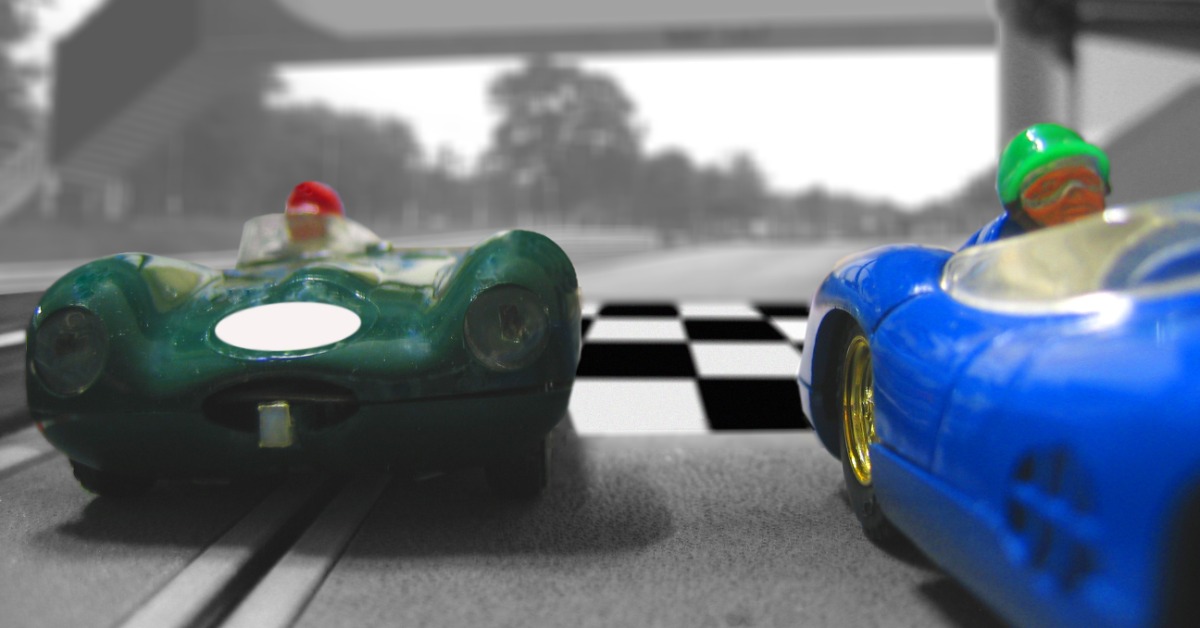
Analog racing often turns passing into a straightforward question of which car travels faster in its own lane. Two cars can race side by side, but neither driver can move into the other lane to make a pass.
Digital racing changes that dynamic. Lane-changing sections give racers opportunities to move around competitors and improve their position.
Successful passing still requires control and timing. Changing lanes does not automatically put a driver ahead, especially when the next corner demands careful throttle management. That combination of speed and decision-making can make close races more interesting from start to finish.
Can More Cars Race Together on a Digital Track?
One of the most appealing differences between analog and digital racing involves the number of cars that can share the racing surface. Because a digital system identifies and controls cars individually, racers do not need a dedicated lane for every car.
This feature can create a busier, more competitive track. Instead of focusing only on the car in the neighboring lane, drivers may need to watch several cars as they move around the circuit.
More cars can also create new strategic situations. Traffic becomes a factor, passing opportunities matter more, and drivers have to watch what happens beyond their immediate position.
Does Digital Racing Require More Driver Skill?
Digital racing does not replace traditional slot car driving skills. Drivers still need to manage speed carefully, learn braking points, and understand how their cars behave through different sections of the track.
The difference comes from the additional decisions digital racing introduces. Drivers have to consider when to change lanes and how to respond to other cars.
That creates a broader skill set. A racer who can turn consistently quick laps still has an advantage, but raw speed alone may not determine the outcome. Awareness and decision-making become more important as the race grows more competitive.
What Makes Digital Slot Car Racing More Strategic?
Digital racing adds choices, and those choices create strategy. Instead of simply finding the fastest possible rhythm around a fixed lane, drivers need to consider what other racers might do next.
A typical digital race may require drivers to think about:
- When to attempt a pass
- Which lane offers the better position
- How much speed to carry into a lane change
- Where other cars sit on the track
- When consistency matters more than aggression
These decisions can keep racers engaged even after they know a layout well. Drivers can approach the same circuit differently depending on their competitors and how a race develops.
Are Digital Systems Better for Longer Racing Sessions?
A digital setup can give hobbyists more ways to vary their racing sessions. Traditional analog racing works well for straightforward contests, time trials, and casual laps, but digital features can introduce additional layers of competition.
That variety can help a permanent or semi-permanent home track stay interesting. Instead of rebuilding the layout whenever you want a different challenge, you can change how you approach the racing itself.
Drivers can focus on overtaking, traffic management, consistent laps, or other elements supported by their Carrera digital equipment. The physical track still matters, but the racing format can become a larger part of the experience.
Do Digital Slot Cars Make Larger Layouts More Interesting?
A larger track gives drivers more space to use the features that digital racing provides. Longer straights can create passing opportunities, while strategically placed lane-changing sections can force drivers to make decisions before approaching corners.
This does not mean you need an enormous room to enjoy digital racing. A thoughtfully planned layout can make good use of available space while still giving drivers opportunities to change lanes and compete for position.
Hobbyists exploring Carrera digital 1/32 race sets can consider both the available room and the type of racing they want to create. A good digital layout balances driving flow with opportunities for interaction between racers.
Does Going Digital Give You More Room to Expand the Hobby?
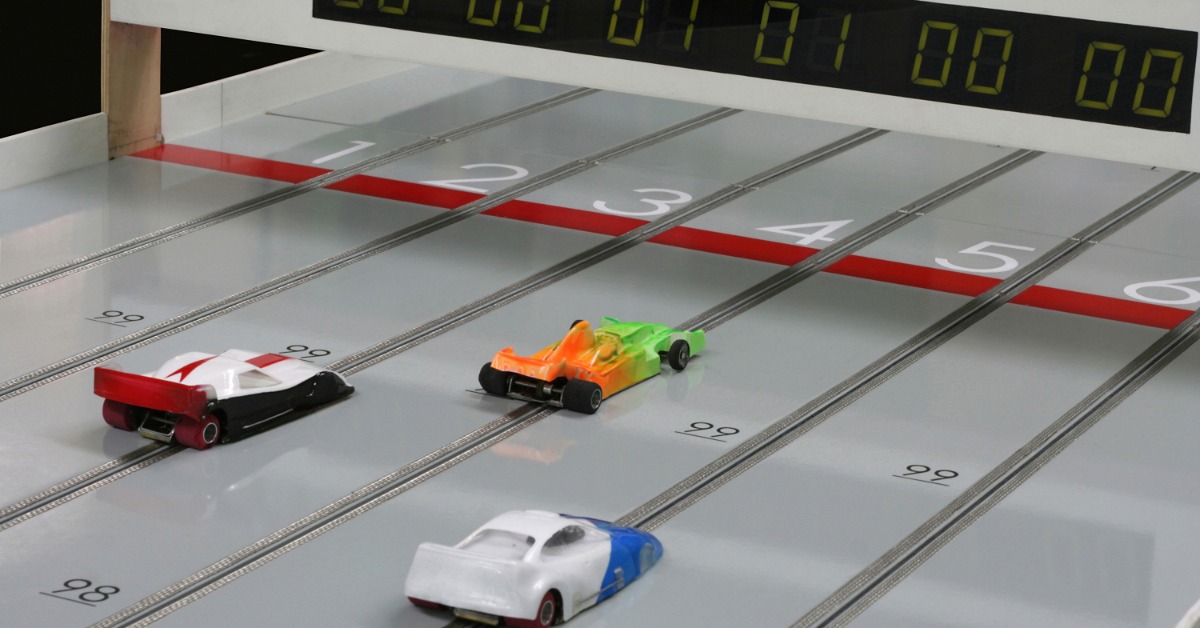
Many slot car enthusiasts enjoy expanding and refining their layouts over time. Digital racing can provide another direction for that process.
Instead of viewing a track as a finished project, you can consider how different components might affect the racing. A new lane-changing section, for example, can change how drivers approach a particular part of the circuit.
Expansion does not need to happen all at once. Hobbyists can develop a digital setup gradually as their interests, available space, and racing preferences evolve.
What Should You Consider Before Upgrading From Analog?
Digital racing offers meaningful advantages, but the right choice depends on what you want from the hobby. Someone who enjoys simple two-car racing may find that an analog setup already delivers exactly the experience they prefer.
Before upgrading, think about how you typically use your track. Consider how many people race with you, how much space you have, and whether features such as lane changing appeal to you.
You should also look closely at compatibility when planning an upgrade. Carrera offers products across 1:24, 1:32, and 1:43 scales, and components can serve different systems and purposes. Checking product specifications before purchasing equipment helps you build around the Carrera system you actually use.
Why Upgrade From Analog to Digital Slot Cars?
The strongest reason to upgrade from analog to digital comes down to what happens during the race. Analog racing emphasizes speed, consistency, and control within a fixed lane. Digital racing keeps those skills while adding lane changes, passing opportunities, traffic, and additional strategic decisions.
For hobbyists who want a more involved racing experience, those features can give a familiar pastime new depth. Drivers can continue improving their lap times while also learning how to race around competitors and make better decisions under pressure.
Carrera slot cars give enthusiasts options for enjoying the hobby at different scales and experience levels. Whether you stay with analog racing or move into digital competition, the best setup remains the one that matches your space, racing group, and preferred style of driving.