Your Cart (0)

Difference Between Toy and Hobby Grade Slot Cars
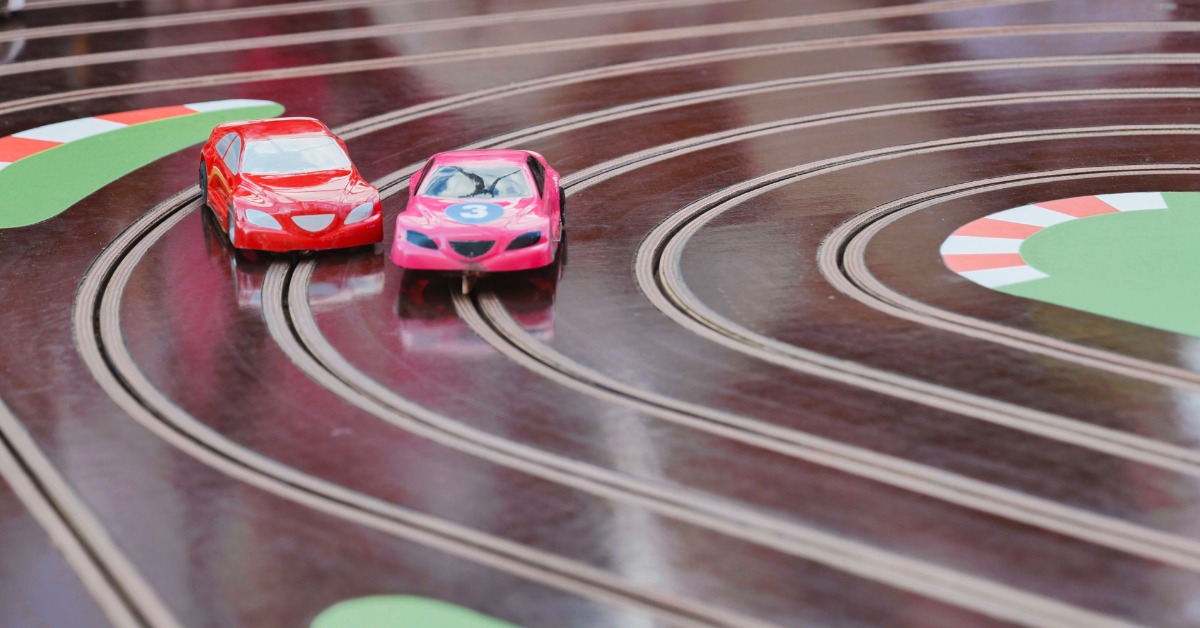
Learn the key differences between toy and hobby grade slot cars, including performance, realism, track options, durability, and long-term value.
by Theodore Hust • July 08, 2026
Slot car racing attracts enthusiasts of all ages, from children discovering their first racing set to experienced collectors building detailed layouts. While many people use the term "slot cars" to describe all miniature racing systems, significant differences exist between toy grade and hobby grade slot cars.
Understanding those differences helps buyers choose the right products for their goals, budget, and level of interest. Some racers want a simple setup that delivers immediate fun, while others prefer realistic vehicles, advanced controls, and customizable tracks.
The distinction between toy grade and hobby grade slot cars affects performance, durability, expansion options, and overall racing experience.
What Defines a Toy Grade Slot Car?
Toy grade slot cars focus on accessibility and ease of use. Manufacturers design these sets primarily for children, families, and casual racers.
Most toy grade systems arrive with everything needed to start racing immediately. Users assemble the track, connect the power supply, and begin racing within minutes.
Manufacturers typically emphasize affordability, colorful themes, and straightforward operation rather than advanced performance features.
What Defines a Hobby Grade Slot Car?
Hobby grade slot cars target enthusiasts who want a more realistic and customizable racing experience.
These systems often feature higher-quality construction, detailed vehicle designs, improved handling, and extensive expansion opportunities. Hobby grade racers frequently modify cars, expand layouts, and fine-tune performance.
Brands such as Carrera offer hobby-focused products in scales like 1:24 and 1:32 that appeal to collectors and dedicated racers alike.
How Vehicle Quality Differs
One of the most noticeable differences involves the cars themselves.
Toy grade slot cars usually feature simpler body construction and fewer scale details. Manufacturers prioritize durability because younger users often handle the cars frequently.
Hobby grade slot cars typically include highly detailed bodies that replicate real-world race cars, sports cars, and classic vehicles. Designers often add realistic paint schemes, accurate proportions, detailed interiors, and authentic sponsor graphics.
Collectors often appreciate hobby grade models because they resemble display-quality replicas while remaining fully functional race cars.

Differences in Performance
Performance represents another major distinction between the two categories.
Toy grade cars generally operate at moderate speeds. Manufacturers tune these vehicles to reduce frustration and improve control for beginners.
Hobby grade cars often feature stronger motors, better weight distribution, and more precise handling characteristics. Racers can push these cars to higher speeds while maintaining control through technical track sections.
This increased performance creates a more realistic racing experience and rewards driver skill.
Track Construction and Design
Track quality varies considerably between toy grade and hobby grade systems.
Toy grade tracks often use lightweight materials and simple connection methods. These designs work well for temporary setups and casual play sessions.
Hobby grade tracks typically feature sturdier construction, smoother connections, and more consistent electrical conductivity. Racers often leave hobby grade layouts assembled for extended periods because the components withstand regular use.
The improved track quality also helps maintain consistent vehicle performance during races.
Expansion Possibilities
Many beginners purchase slot car sets without considering future expansion.
Toy grade systems often offer limited expansion options. While users may add a few extra track pieces, manufacturers usually focus on complete starter sets rather than large-scale customization.
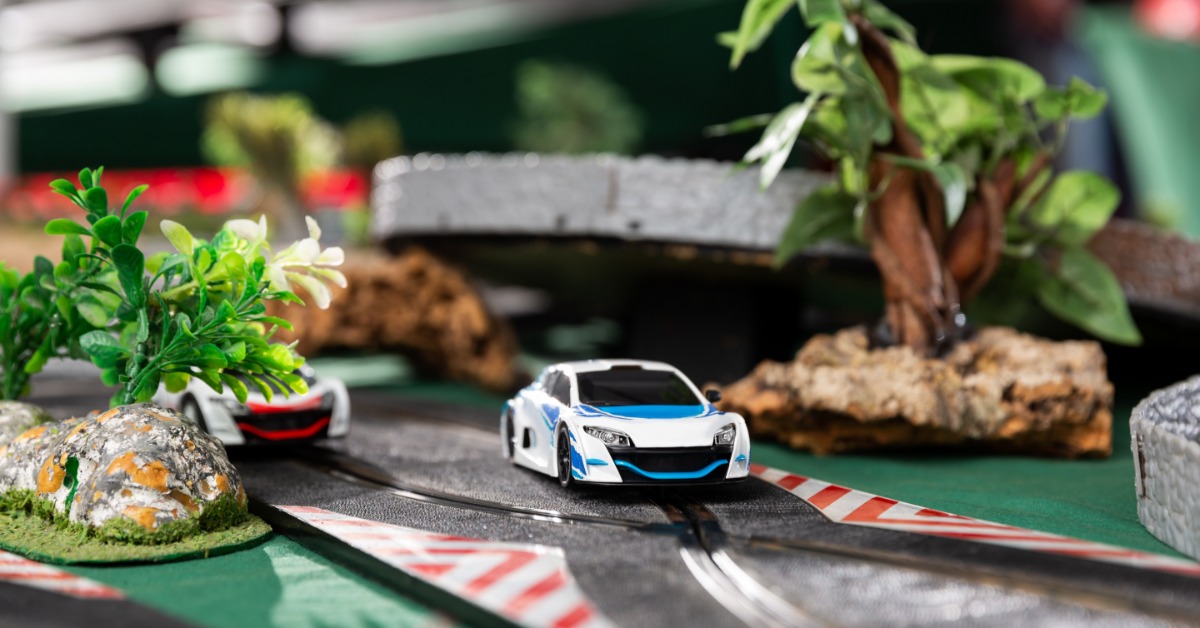
Hobby grade systems support extensive growth. Enthusiasts can create complex circuits with additional straights, curves, lane changes, elevation changes, and specialty sections.
This flexibility allows racers to continuously improve and redesign their layouts over time.
Digital Features and Technology
Technology plays a growing role in modern slot car racing. Many toy grade systems rely on traditional analog operation, where each lane supports only one vehicle at a time.
Hobby grade systems increasingly incorporate digital technology. Digital racing allows multiple cars to share lanes, perform lane changes, track lap times, and support advanced race management features.
These capabilities create a more strategic and engaging racing environment for enthusiasts.
Maintenance Requirements
Maintenance expectations differ between the two categories.
Toy grade slot cars require minimal upkeep. Owners generally clean the track occasionally and replace worn parts when necessary.
Hobby grade racers often perform regular maintenance to maximize performance. Common tasks include cleaning tires, inspecting guide blades, maintaining electrical contacts, and tuning vehicle components.
Many enthusiasts enjoy this hands-on aspect because it adds another layer to the hobby.
Durability Considerations
Durability matters for every slot car owner. Toy grade products often prioritize ruggedness. Manufacturers expect frequent handling by younger racers, so they design components to withstand impacts and rough use.
Hobby grade products balance durability with realism and performance. While these cars remain durable under normal racing conditions, detailed bodies and precision components may require more careful handling.
Owners who treat hobby grade equipment properly often enjoy years of reliable performance.
Cost Differences
Price represents one of the most important factors for many buyers.
Toy grade slot car sets generally cost less upfront. Families can enter the hobby without making a significant financial commitment.
Hobby grade systems typically require a larger investment. Higher-quality materials, detailed vehicles, advanced electronics, and expanded customization options contribute to the increased cost.
However, many enthusiasts view hobby grade products as a long-term hobby investment rather than a simple toy purchase.
Who Should Choose Toy Grade Slot Cars?
Toy grade slot cars work best for certain types of users.
These systems often make sense for:
- Young children learning basic racing skills
- Families seeking casual entertainment
- Buyers with limited space
- Occasional racers who want quick setup
- Shoppers looking for lower initial costs
For many households, toy grade slot cars provide an enjoyable introduction to slot car racing without overwhelming complexity.
Who Should Choose Hobby Grade Slot Cars?
Hobby grade systems appeal to individuals who want a deeper racing experience.
Collectors often appreciate the realistic vehicle details and extensive model selection. Enthusiasts enjoy building custom layouts and improving their driving skills.
Hobby grade products also suit racers who plan to expand their tracks over time and participate in organized competitions or club events.
Many longtime slot car fans eventually transition from toy grade systems to hobby grade platforms as their interest grows.
Where Carrera Fits Into the Spectrum
Carrera offers products that appeal to both newcomers and experienced hobbyists.
Entry-level options provide approachable racing experiences for families and younger users. For example, many racers begin with GO Carrera slot cars before exploring more advanced systems.
As interest develops, enthusiasts often move into Carrera's larger 1:32 and 1:24 scale offerings. These hobby-focused products deliver greater realism, enhanced performance, and extensive expansion opportunities.
This progression allows users to remain within the Carrera ecosystem while advancing their skills and interests.
Scale Matters in Hobby Grade Racing
Scale plays an important role when comparing hobby grade systems.
Carrera primarily offers products in 1:43, 1:32, and 1:24 scales. Each scale delivers unique advantages.
Smaller 1:43 systems fit comfortably in limited spaces and often appeal to beginners. The larger 1:32 scale balances realism, performance, and layout flexibility. Many serious enthusiasts prefer 1:24 scale racing because the larger vehicles provide exceptional detail and impressive track presence.
Choosing the right scale often depends on available space, budget, and personal preference.
Making the Right Choice
The best slot car system depends on individual goals rather than a universal definition of quality.
Toy grade slot cars provide affordable, accessible fun for casual users and families. Hobby grade slot cars offer realism, customization, advanced technology, and long-term engagement for dedicated enthusiasts.
Many racers begin with a simple starter set and gradually discover which aspects of the hobby interest them most. Some enjoy casual racing sessions, while others become passionate collectors, builders, and competitors.
By understanding the differences between toy and hobby grade slot cars, buyers can select a system that delivers the experience they want and supports their future interests in slot car racing.