Your Cart (0)

Slot Car Set Guide for First-Time Buyers
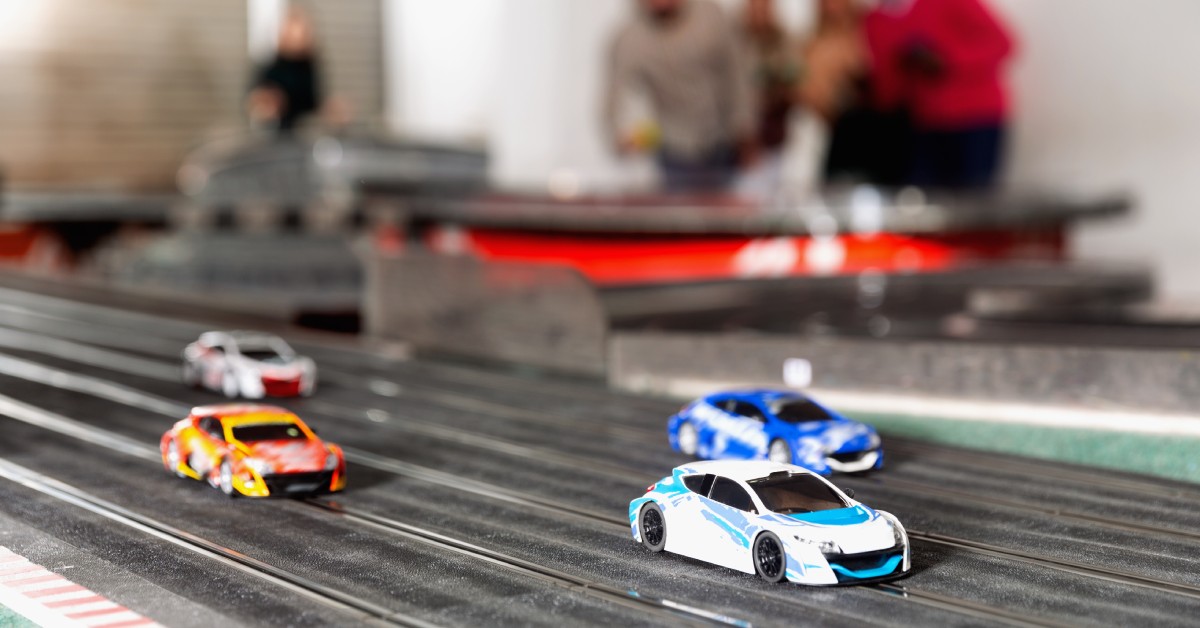
Ready to race? Our beginner's guide covers everything from choosing the right scale to analog vs. digital sets. Start your slot car journey today.
by Theodore Hust • January 21, 2026
Slot car racing brings the thrill of the speedway right into your living room. The blur of cars zipping around hairpin turns, the satisfying click of the controller, and the friendly competition with friends and family create memories that last a lifetime. If you are new to the hobby, the sheer variety of options might feel a bit overwhelming at first. You might see terms like "analog," "digital," or "scale" and wonder where to even begin.
Don't worry. Getting started is easier than you think. This hobby welcomes everyone, from casual racers looking for fun on a rainy afternoon to serious enthusiasts building intricate custom layouts. The key lies in understanding a few basics before you make that first purchase. By knowing what to look for, you can choose a set that fits your space, your budget, and your desire for speed.
We will walk through everything you need to know to pick the perfect starter set. From understanding the different scales to deciding between analog and digital systems, we cover all the essentials. Let’s get you on the track and racing in no time.
What is Slot Car Racing?
At its core, slot car racing is a powered miniature auto racing system. Cars race on a track with grooves or "slots." A guide pin or blade under the car fits into this slot, keeping the vehicle on the track. Metal contacts on the car pick up electricity from the rails alongside the slot, which powers the electric motor. You control the speed using a hand-held controller. Squeeze the trigger, and the car speeds up; release it, and the car slows down.
The excitement comes from mastering the physics of the track. Go too fast into a corner, and your car will deslot, or fly off the track. Go too slow, and your opponent will leave you in the dust. It is a balancing act of skill, timing, and strategy.
Why Choose Slot Car Racing as a Hobby?
This hobby offers a tangible, hands-on experience that video games simply cannot replicate. You are interacting with physical objects, learning about mechanics, and developing fine motor skills. It brings people together. Parents and children, friends, and neighbors can all race on equal footing.
It is also incredibly customizable. You can start with a basic figure-eight track and expand it later with new track pieces, lane changers, and accessories. You can collect cars from your favorite racing eras, tune them for better performance, or even paint and detail them yourself. Whether you love Formula 1, American muscle cars, or endurance racing prototypes, there is a slot car for you.
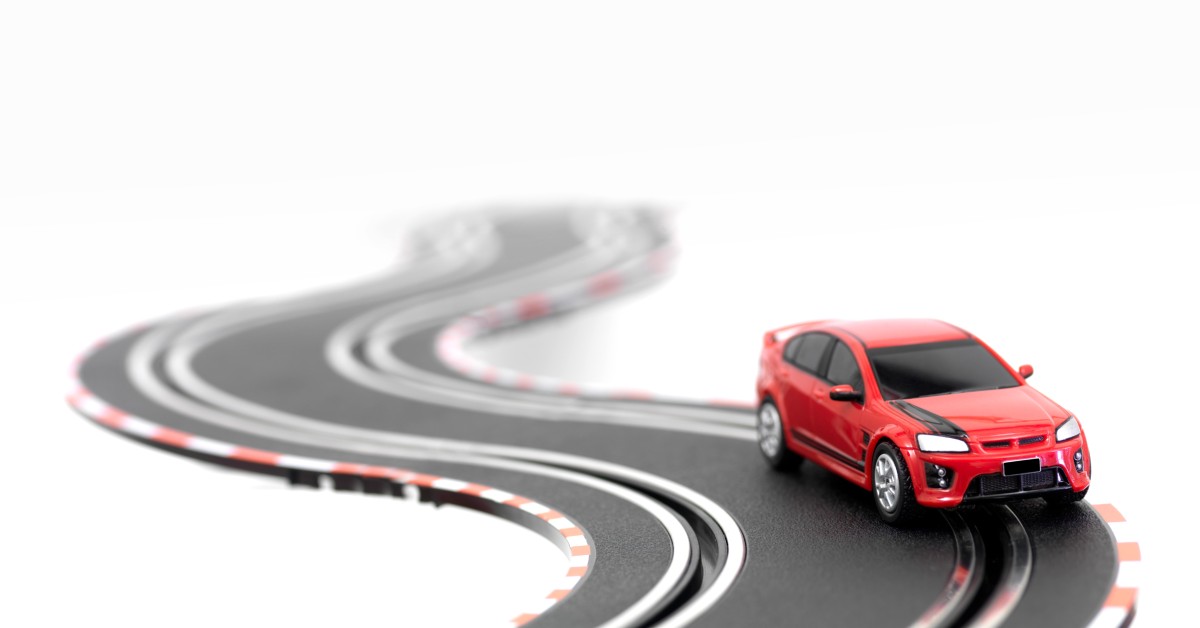
Understanding the Different Scales
One of the most important decisions involves choosing the right size, or "scale," for your cars and track. Scale refers to the size of the model relative to the real car. A 1:32 scale car is 1/32nd the size of the actual vehicle.
- REMOVE 1:64 scale (HO scale): These are the smallest cars, roughly the size of Matchbox or Hot Wheels cars. They are incredibly fast and require less space, making them great for smaller rooms.
- 1:43 scale: This is a popular "middle ground" size. It is larger than HO but smaller than the standard 1:32. Sets in this scale, like the 1:43 Carrera slot cars, are often marketed towards beginners and children because they are robust and affordable, yet still offer detailed models and exciting racing action.
- 1:32 scale: This is the most common standard for hobbyists. The cars offer excellent detail and performance. There is a massive variety of cars and tracks available in this scale.
- 1:24 scale: These are the largest slot cars commonly raced at home. They offer incredible detail and presence on the track but require a much larger space for the track layout.
Analog vs. Digital Racing Systems
You will encounter two main types of technology: analog and digital.
Analog is the traditional way to race. One car runs per lane. If you have a two-lane track, you can race two cars. If you want to race four cars, you need four lanes. It is simple, reliable, and generally less expensive. You control the voltage to the track lane, which controls the car.
Digital systems use computerized technology to send signals down the rails. This allows multiple cars to race on the same lane. You can change lanes to overtake opponents, block them, or enter a pit lane for simulated refueling. Digital racing adds a layer of strategy and realism, perfect for those who want a more simulation-style experience. However, it typically comes with a higher price tag.
How Much Space Do You Need?
Before buying, measure your available area. A small starter set might fit on a coffee table, but larger layouts, especially in 1:32 or 1:24 scale, might require a 4x8 foot board or a dedicated spot on the floor.
If space is tight, REMOVE HO scale (1:64) or 1:43 scale sets are fantastic options. This allows you to fit a complex layout with bridges and crossovers into a relatively small footprint. If you have a spare room, basement, or large garage, you can explore the larger scales and build impressive, sprawling circuits. Remember, you can always disassemble the track after racing, but having a semi-permanent space encourages more frequent use.
What Comes in a Starter Set?
A typical starter set includes everything a beginner needs to start racing immediately. You do not need to hunt for separate parts. Inside the box, you generally find:
- Track pieces: Straights and curves to build a specific layout.
- Two cars: Matched in performance so racing is fair right out of the box.
- Power supply: A transformer that plugs into the wall to power the track.
- Controllers: Two hand controllers to drive the cars.
- Accessories: Guardrails, bridge supports, and connection clips.
Always check the box contents. Some sets might include extra features like lap counters or specific themed decorations.
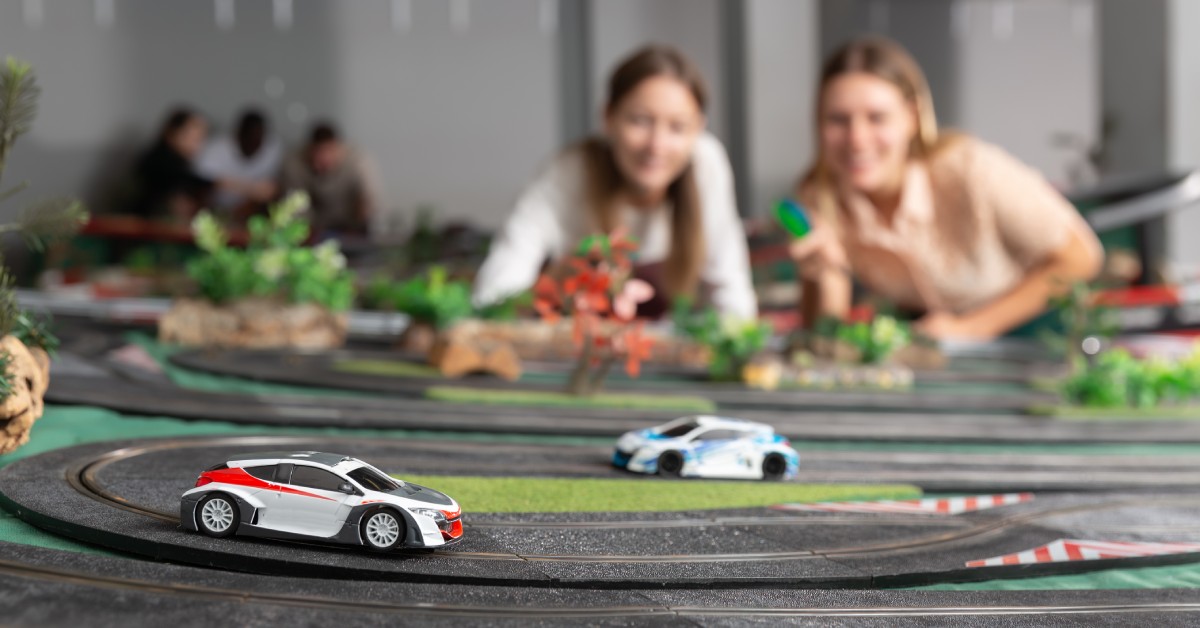
Choosing a Brand for Long-Term Fun
Sticking with a major, reputable brand ensures you can find spare parts and expansion packs later. Brands like Carrera and Scalextric have been around for decades. They offer robust ecosystems of tracks, cars, and accessories.
If you buy a bargain-bin set from a generic manufacturer, you might struggle to find replacement tires, brushes, or track pieces if you want to expand. Established brands ensure that if you break a controller or wear out a motor, you can easily replace it and keep the fun going. They also offer better quality control, meaning less frustration and more racing.
Where to Find Support and Community
You are not alone in this hobby. There are online forums, social media groups, and local clubs dedicated to slot car racing. These communities are incredibly welcoming to newcomers. They love sharing track designs, tuning tips, and advice on fixing cars.
The Crew at Carrera Slots is an invaluable resource. The staff can often help troubleshoot problems or recommend the best upgrades for your specific set. Engaging with the community and Carrera Slots will help you learn faster and keep the enthusiasm alive.