Your Cart (0)

The History of Scalextric and the Rise of 1/32 Scale Racing
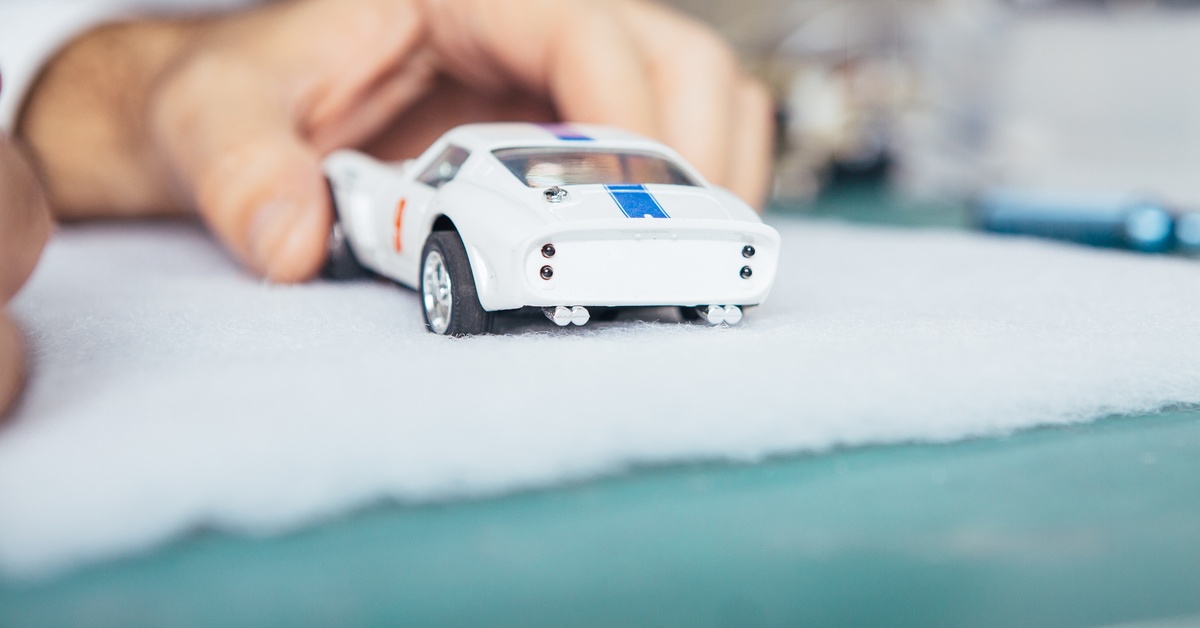
Explore the history of Scalextric and how 1/32 scale racing became the standard for the hobby, shaping modern slot car hobbyists and home track racing.
by Theodore Hust • April 28, 2026
Slot car racing holds a unique place in hobby history. It blends mechanical engineering, motorsport enthusiasm, and hands-on creativity. Among the brands that shaped this pastime, Scalextric stands as a defining name. Its innovations helped bring racing from club tracks into homes across the world.
This article explores how Scalextric developed, how the hobby evolved, and why 1/32 scale racing became the standard for enthusiasts.
The Origins of Slot Car Racing
Slot car racing did not begin with Scalextric. Early versions appeared in the early 20th century as rail-based model racing systems. Hobbyists built these setups using tinplate tracks and powered cars.
Manufacturers experimented with different guiding methods. Some used raised rails, while others used grooves. These early systems required skill to build and maintain, which limited their reach.
By the 1950s, demand grew for a simpler, more accessible system. That demand created the opportunity for Scalextric to enter the market.
How Scalextric Entered the Market
Scalextric emerged in the United Kingdom during the late 1950s. The brand evolved from earlier clockwork racing toys. Engineers replaced mechanical propulsion with electric motors powered through track rails.
This innovation changed everything. Electric slot cars allowed smoother operation, higher speeds, and better control.
Scalextric introduced plastic track systems that users could assemble at home. These tracks featured grooves that guided the cars, making racing easier and more consistent.
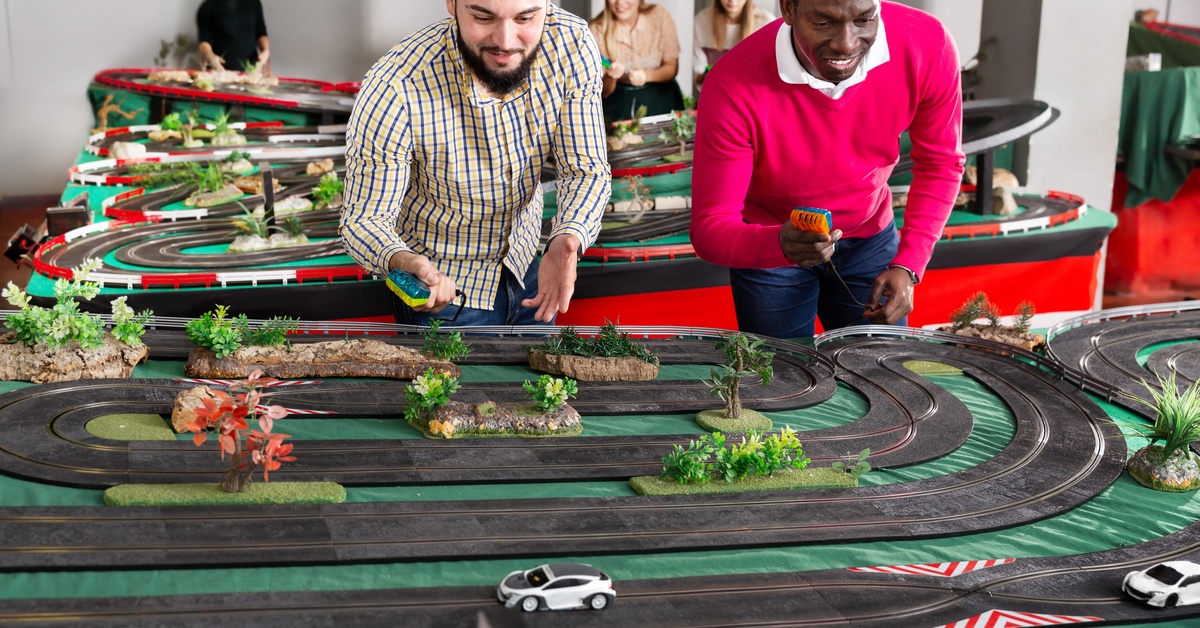
Why Electric Slot Racing Changed the Hobby
Electric slot racing transformed a niche activity into a mainstream hobby. The new systems offered:
- Reliable power through metal rails
- Replaceable parts for easy maintenance
- Expandable track layouts
- Competitive racing at home
These features made the hobby more accessible to beginners while still appealing to experienced hobbyists.
The shift to electric power also allowed manufacturers to standardize scales, which helped grow the market.
The Rise of 1/32 Scale Racing
As manufacturers refined their products, they needed a consistent scale that balanced detail and performance. The 1/32 scale quickly became the ideal choice.
This scale offered enough size for realistic car bodies while maintaining manageable track dimensions. Hobbyists could build detailed layouts without requiring large spaces.
Scalextric helped popularize 1/32 scale slot cars by producing a wide range of vehicles modeled after real racing machines. These models captured the look and feel of motorsport in a compact format.
Why 1/32 Scale Became the Standard
Several factors contributed to the dominance of 1/32 scale:
Balance Between Size and Detail
Cars at this scale allowed accurate detailing without becoming fragile. Manufacturers could replicate liveries, body shapes, and features with precision.
Practical Track Size
Tracks remained large enough for smooth racing but small enough for home setups. This balance encouraged more people to participate.
Performance and Handling
Motors, tires, and chassis designs worked efficiently at this scale. Racers could tune cars for speed and control without complex modifications.
Industry Adoption
Brands across the industry adopted the same scale. This standardization allowed hobbyists to mix cars and track systems more easily.
Scalextric’s Influence on Home Racing
Scalextric played a major role in bringing slot car racing into everyday households. The company marketed complete sets that included cars, track pieces, and controllers.
These sets simplified entry into the hobby. Families could set up a track in minutes and start racing immediately.
Scalextric also focused on realism. The company modeled cars after popular racing series, which attracted motorsport fans.
The Evolution of Track Technology
Track systems improved significantly over time. Early plastic tracks gave way to more durable and precise designs.
Manufacturers introduced features such as:
- Lane-changing sections
- Digital control systems
- Improved electrical connectivity
- Modular expansion options
These upgrades allowed racers to create complex layouts and simulate real racing scenarios.
The Role of Competition and Clubs
As the hobby grew, organized racing became more common. Clubs formed around shared interest in slot car racing.
These groups hosted events, developed rules, and encouraged technical improvements. Competitive racing pushed manufacturers to refine their products further.
Scalextric remained a central name in these communities. Its systems provided a reliable platform for both casual and competitive racing.
How Carrera and Other Brands Expanded the Market
While Scalextric helped establish the hobby, other brands expanded it globally. Carrera, in particular, introduced high-quality systems and a wide range of scales, including 1:24, 1:32, and 1:43.
Carrera systems focused on durability and precision. Their tracks offered wider lanes and robust construction, which appealed to serious hobbyists.
This variety gives hobbyists more ways to enjoy slot car racing while staying within established standards.
The Impact of Real Motorsport on Slot Cars
Real-world racing has always influenced slot car design. Manufacturers release models based on Formula 1, endurance racing, and touring cars.
This connection keeps the hobby relevant. Enthusiasts can recreate famous races or build custom championships.
The 1/32 scale works especially well for this purpose. It allows accurate representation of real vehicles without requiring oversized tracks.

Modern Innovations in Slot Car Racing
Today’s slot car systems incorporate advanced technology. Digital systems allow multiple cars per lane, lane switching, and race management features.
Modern cars feature improved motors, better traction systems, and more detailed bodies. These advancements enhance both performance and realism.
Manufacturers continue to innovate while maintaining compatibility with traditional systems. This approach preserves the hobby’s history while supporting its future.
Why 1/32 Scale Continues to Thrive
Despite new technologies and scales, 1/32 remains the most popular choice for many enthusiasts.
Its continued success comes from:
- Wide availability of cars and accessories
- Compatibility across major brands
- Strong community support
- Balanced performance and realism
Hobbyists appreciate the versatility of this scale. It works for beginners and experienced racers alike.
The Lasting Legacy of Scalextric
Scalextric’s influence extends far beyond its original products. The brand helped define how people experience slot car racing.
Its contributions include:
- Standardizing electric slot racing
- Popularizing home track systems
- Promoting 1/32 scale as the industry norm
These innovations shaped the hobby into what it is today.
Slot Car Racing Today and Beyond
Slot car racing continues to attract new enthusiasts while retaining longtime fans. The hobby offers a mix of nostalgia and innovation. As technology evolves, the hobby will likely continue to expand. Digital systems, improved materials, and new designs will shape the next generation of racing.
A Hobby Built on Innovation and Passion
The history of Scalextric reflects the broader evolution of slot car racing. From early mechanical systems to advanced digital tracks, the hobby has continually adapted.
The rise of 1/32 scale racing created a foundation that still supports the industry today. It offers the perfect balance of realism, performance, and accessibility.
For hobbyists, this scale provides endless opportunities to build, race, and enjoy. For the industry, it remains a cornerstone of innovation and growth.
Slot car racing continues to thrive because it combines engineering, creativity, and competition in a way few hobbies can match.