Your Cart (0)

Understanding the Mechanics of Slot Car Racing
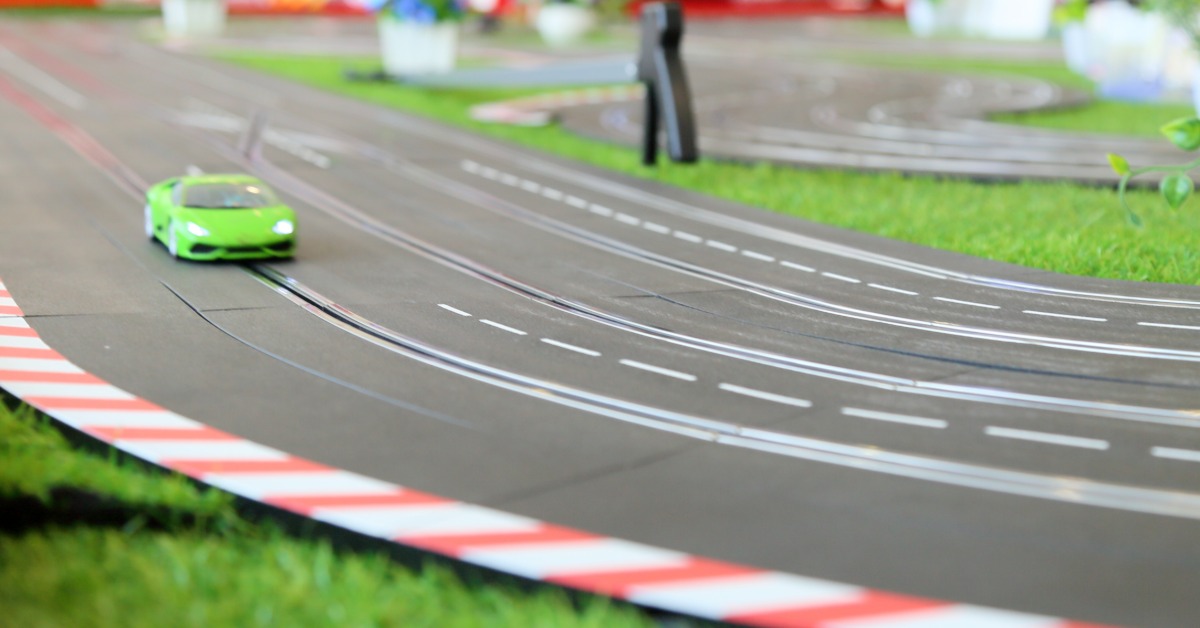
Learn how slot car racing works, from motors and gears to traction and track design, and improve performance with a better understanding of the mechanics.
by Theodore Hust • March 25, 2026
Slot car racing combines mechanical precision, electrical engineering, and hands-on control into one engaging hobby. Many enthusiasts enjoy the thrill of competition, but the mechanics behind each race create the real foundation for performance. When you understand how each component works, you gain more control over speed, handling, and reliability.
Carrera slot cars, available in 1:24, 1:32, and 1:43 scales, offer detailed engineering that rewards careful setup and maintenance. Let’s explore how the core mechanics of slot car racing function and why they matter.
How Slot Car Racing Works
Slot car racing depends on a guided track system. Each car features a guide blade that fits into a slot in the track surface. That slot directs the car’s path while the metal rails run along the slot and supply current to the motor.
When you squeeze the controller trigger, you regulate how much electricity flows to the car. More power increases motor speed, which turns the rear wheels faster.
This simple concept creates a precise mechanical system that demands balance and attention.
The Role of the Electric Motor
The motor drives every Carrera slot car. It converts electrical energy into mechanical motion using magnets, coils, and a rotating armature.
When electricity enters the motor, it energizes the coils. The magnetic interaction causes the armature to spin. That spinning motion transfers through gears to the rear axle.
Motor quality directly affects acceleration, top speed, and throttle response. Consistent electrical flow and proper gear alignment help the motor perform at its best.
Understanding the Guide Blade and Braids
The guide blade keeps the car planted in the slot. It swivels slightly to allow cornering while maintaining contact with the track.
Copper braids attach to the guide assembly. These braids press against the metal rails inside the slot and carry electricity to the motor.
If braids flatten, fray, or lose tension, power delivery becomes inconsistent. Clean rails and braids or brushes and properly adjusted braids ensure smooth racing performance.

How Gearing Impacts Speed and Torque
Gearing connects the motor shaft to the rear axle. Most Carrera slot cars use a pinion gear on the motor and a spur gear on the axle.
Gear ratios determine how the car accelerates and handles straights. A higher ratio favors acceleration, while a lower ratio supports higher top speed.
Correct gear mesh matters just as much as ratio selection. If gears bind or sit too loosely, you lose efficiency and risk premature wear.
Tires: The Key to Traction
Tires influence handling more than almost any other component. Soft rubber compounds increase grip, especially on clean track surfaces.
Rear tires transfer power to the track. Front tires support stability and guide balance through corners.
Many racers focus on:
- Keeping tires clean
- Truing tires for even contact
- Replacing worn rubber
- Matching tire compound to track surface
Small adjustments in tire condition can dramatically change lap times.
Weight Distribution and Chassis Design
A Carrera slot car chassis holds the motor, axles, and guide assembly in alignment. The placement of these components determines weight distribution.
Balanced weight improves cornering stability. Too much rear weight can cause fishtailing, while excessive front weight may reduce acceleration.
Manufacturers design 1:24, 1:32, and 1:43 Carrera slot cars with scale accuracy in mind, but subtle internal differences influence performance. Understanding weight balance helps you fine-tune your setup without overcomplicating it.
The Importance of the Track Surface
The track provides more than direction. Surface texture affects grip, electrical flow, and overall consistency.
Clean rails maintain steady current. Dust and oxidation interrupt power delivery and create hesitation under throttle.
Track joints also matter. Tight connections ensure smooth transitions between sections. Even a slight misalignment can unsettle a car at high speed.
If you run a 1:32 slot car track at home, regular cleaning and inspection will keep performance consistent over time.
Controllers and Throttle Control
The controller acts as the driver’s main interface. When you pull the trigger, you adjust voltage flow to the car.
Resistor-based controllers limit current in stages. Electronic controllers offer more refined throttle curves and smoother acceleration.
Learning to feather the trigger improves lap times more than increasing motor power. Smooth throttle input reduces deslotting and keeps the car stable through turns.
Mechanical knowledge helps, but driver control ultimately determines performance.
Magnetic Downforce and Handling
Many Carrera slot cars include traction magnets. These magnets pull the car downward toward the metal rails, increasing grip.
Magnets help beginners maintain control. They allow higher corner speeds with less risk of sliding out.
Some racers reduce or remove magnets to create a more realistic driving feel. Without magnetic assistance, mechanical grip from tires and weight distribution becomes far more important.
Understanding how magnets influence handling helps you tailor your racing experience.
Electrical Systems and Power Supply
Consistent voltage ensures consistent performance. Power supplies regulate electricity before it reaches the track rails.
Digital systems introduce additional complexity. Digital Carrera systems allow multiple cars per lane, lane changes, and race management features. These systems rely on stable electrical signals and communication between car and control unit.
Proper wiring and secure connections prevent power drops and erratic behavior.
Maintenance: Protecting Mechanical Performance
Routine maintenance keeps mechanical systems working smoothly. Dirt, friction, and wear gradually reduce efficiency.
Regular upkeep includes:
- Cleaning track rails
- Inspecting braids
- Lubricating gears and axle bushings
- Checking tire condition
- Tightening loose body screws
Simple habits protect both performance and longevity. Many issues stem from neglect rather than mechanical failure.
Scale Differences and Mechanical Impact
Carrera produces slot cars in 1:24, 1:32, and 1:43 scales. Each scale influences handling and track layout options.
1:24 cars offer larger motors and heavier chassis designs. They require shoulders or aprons to be on the inside and outside of curves due to the size of the car. They provide impressive presence and a different style of racing on Carrera’s 1:24 Scale track.
1:32 cars balance size and practicality. They remain highly detailed while fitting comfortably into home racing setups. These also run on Carrera’s 1:24 scale track, however, since they are smaller than the 1:24 scale car, do not require shoulders for optimum performance.
With Carrera’s 1:43 scale systems both the track and the cars are 1:43 scale. The smaller size of the track and cars help cater to customers with smaller spaces or lower budgets over the larger scale systems. Although smaller, this system still allows racers to change acceleration and cornering behavior.
Understanding scale differences allows you to choose equipment that matches your space and performance goals.
Cornering Mechanics Explained
Cornering involves a balance between centrifugal force, traction, and throttle control. When a car enters a turn too quickly, inertia pushes it outward.
The guide blade keeps the car aligned in the slot, but excessive speed can lift the rear tires and cause a deslotted spin.
Smooth throttle modulation helps manage corner entry and exit. Drivers who reduce speed before the apex and accelerate gradually out of the turn maintain better control.
Mechanical setup supports cornering, but driver technique determines consistency.
Why Precision Matters in Slot Car Racing
Slot car racing rewards attention to detail. Small mechanical differences create noticeable performance changes.
A slightly misaligned axle increases friction. Dirty rails interrupt power flow. Uneven tires reduce traction.
Every component interacts within a compact mechanical system. When you understand how these parts work together, you gain confidence in diagnosing issues and improving performance.
Bringing It All Together
Slot car racing blends engineering and hands-on skill in a way few hobbies can match. The motor, gears, tires, guide system, and electrical components work together in a tightly integrated system.
When you understand the mechanics behind the racing action, you move beyond simple operation. You start recognizing how small adjustments influence speed, grip, and stability.
Carrera slot cars in 1:24, 1:32, and 1:43 scales provide accessible performance with authentic detail. Whether you race casually at home or focus on competitive lap times, mechanical knowledge enhances every session on the track.
By learning how each part functions and interacts, you strengthen both your technical understanding and your enjoyment of the hobby.